Home / Single Post
Delving into the realm of waterproofing techniques unveils a spectrum of options catering to diverse needs. Let’s navigate through some prominent methods:
1. Cementitious Waterproofing:
Cementitious waterproofing stands out as the simplest approach. Its accessibility and ease of application make it a go-to choice. Suited for internal wet areas, it’s a preferred option for suppliers due to its straightforward mixing and application process.
2. Liquid Waterproofing Membrane:
Liquid waterproofing membrane introduces versatility with a primer and two top coats. Applied through spray, trowel, or roller, its thin liquid layer provides heightened flexibility compared to cementitious types, enhancing its overall effectiveness.
3. Bituminous Coating Membrane:
Bituminous coating, born from bitumen, offers flexible waterproof protection, especially effective in wet areas under screed. However, it comes with limitations. Unsuitable for sunlight exposure, it requires modification with materials like polyurethane or acrylic-based polymers for added resilience. Moreover, exposure to diurnal temperature variations induces brittleness, compromising structural integrity.
4. Siegelt’s Special Membrane:
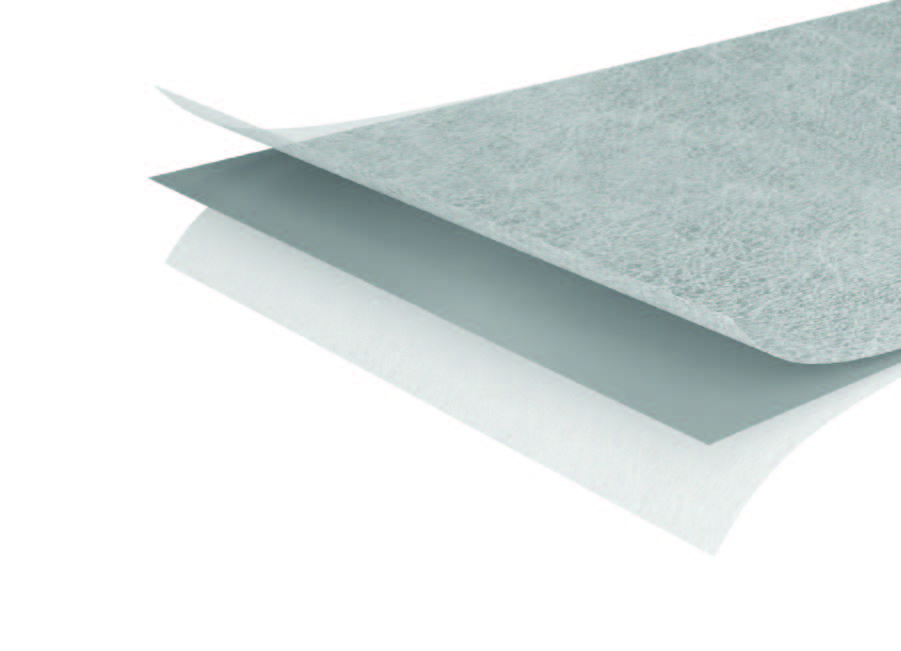
Addressing the drawbacks of Bituminous and Liquid waterproofing, the indigenous Siegelt’s Special membrane emerges as a potential solution. Its unique characteristics aim to overcome the limitations seen in traditional membrane-based waterproofing techniques.
In the upcoming blog, we’ll delve into the significance of Siegelt’s Special membrane technique in comparison to conventional methods. Buckle up as we unravel the innovation and advantages it brings to the realm of waterproofing. Stay tuned for a deeper understanding of this groundbreaking technique that could redefine how we approach waterproofing challenges!